Eudermiz is a skin and hair clinic in Hyderabad started with an aim to provide world-class services in dermatology and cosmetology, enabling our patients to confidently look and feel the best.
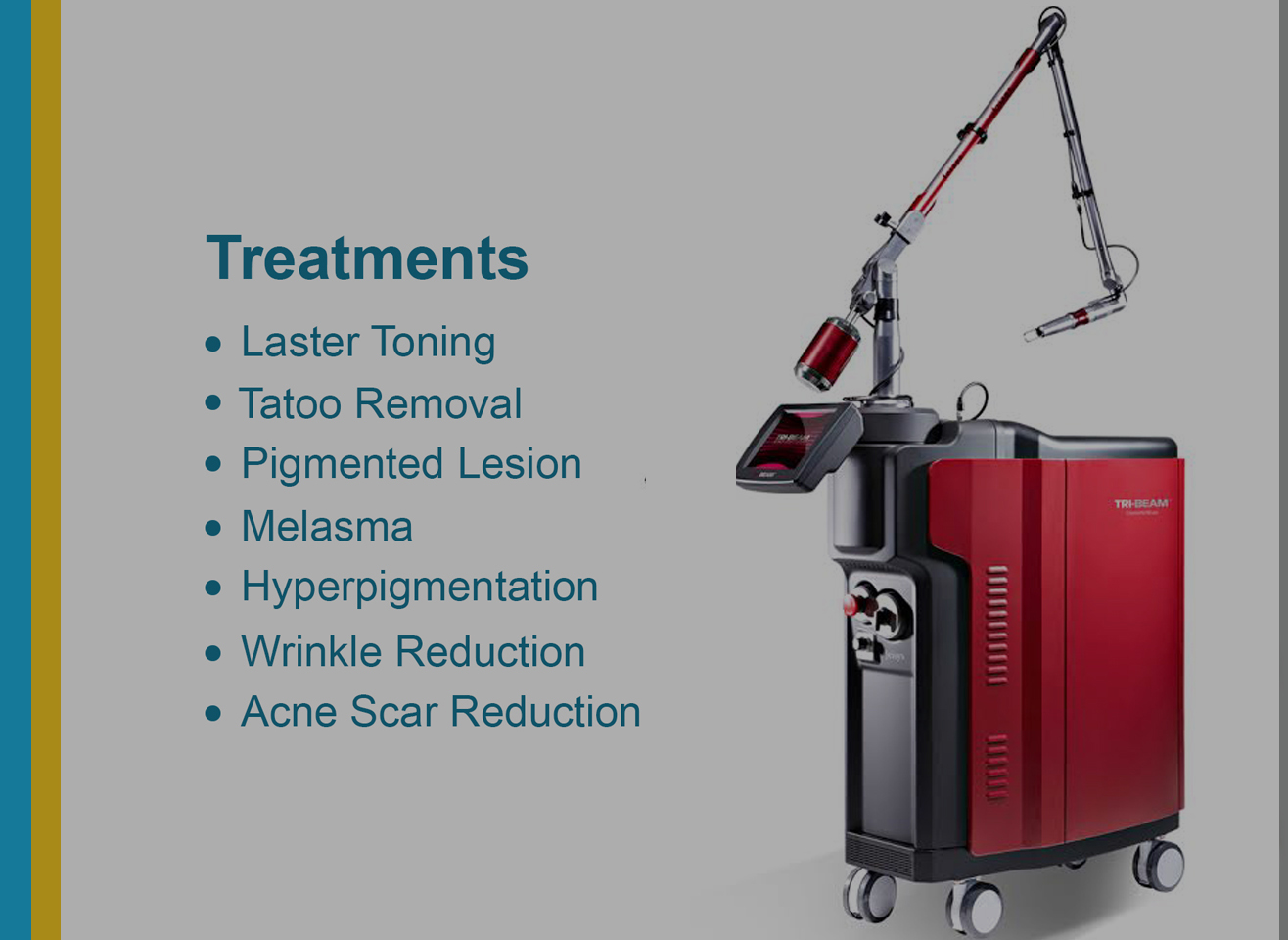
Whether it is sun damage, open pores, acne scars, hyperpigmentation, dark underarms, uneven complexion, coarse skin texture or fine lines, TRI-BEAM Laser Toning is the answer to all such skin problems.
Psoriasis is a chronic skin condition that speeds up the life cycle of skin cells. This causes cells to build up rapidly on the surface of the skin, forming scales and red patches that are sometimes painful or itchy.
Psoriasis is typically associated with inflammation and can occur anywhere on the body, but most commonly appears on the scalp, knees, elbows, and torso. The exact cause of psoriasis is unknown, but it's thought to be related to an immune system issue with T cells and other white blood cells, called neutrophils, in your body. Triggers for psoriasis can include infections, stress, cold weather, certain medications, and trauma to the skin.
While there is no cure for psoriasis, various treatments can help control the symptoms. These may include topical treatments, light therapy, and oral or injected medications. Lifestyle measures, such as moisturizing, quitting smoking and managing stress, may help. It's important to work with a healthcare provider to develop a treatment plan that is best for each individual case.

There are several different types of psoriasis, each with distinct characteristics:
Plaque psoriasis (psoriasis vulgaris): The most common form, plaque psoriasis causes dry, raised, red skin lesions (plaques) covered with silvery scales. The plaques might be itchy or tender, and they often appear on the elbows, knees, lower back, and scalp.
Guttate psoriasis: This type primarily affects young adults and children. It's usually triggered by a bacterial infection such as strep throat. Guttate psoriasis causes small, water-drop-shaped sores on the trunk, arms, legs and scalp.
Inverse psoriasis: This mainly occurs in the armpits, groin, under the breasts, and around the genitals. Inverse psoriasis causes smooth, bright red, inflamed patches of skin that worsen with friction and sweating. Fungal infections may trigger this type of psoriasis.
Pustular psoriasis: This uncommon form of psoriasis causes clearly defined pus-filled blisters (pustules) surrounded by reddened skin. Pustular psoriasis can occur on any part of the body but is more common on the hands and feet.
Erythrodermic psoriasis: The least common type, erythrodermic psoriasis can cover the entire body with a fiery red rash that can itch or burn intensely.
Nail psoriasis: Psoriasis can affect fingernails and toenails, causing pitting, abnormal nail growth, and discoloration. Psoriatic nails might loosen and separate from the nail bed (onycholysis).
Psoriatic arthritis: In addition to inflamed, scaly skin, people with psoriatic arthritis have joint pain, stiffness and swelling. Symptoms range from mild to severe, and psoriatic arthritis can damage joints if left untreated.
The symptoms of psoriasis vary depending on the type and severity of the condition. However, some general signs and symptoms of psoriasis include:
Red, inflamed patches of skin covered with silvery scales
Small scaling spots (commonly seen in children)
Dry, cracked skin that may bleed
Itching, burning or soreness
Thickened, pitted or ridged nails
Swollen and stiff joints
The patches can range in size from a few flakes on the elbow to large areas covering the back. They can also occur on the legs, soles of the feet, hands, face, ears and even inside the mouth. While these are the most common symptoms, not everyone will experience all of them. Some people may only have mild symptoms while others may have more severe ones. Additionally, symptoms can come and go, with periods of remission where the skin improves or clears up completely.
If you suspect that you may have psoriasis, it's essential to consult with a healthcare professional who can provide a proper diagnosis and recommend appropriate treatment options based on your specific needs. Early detection and management can improve quality of life and prevent complications.
The exact cause of psoriasis remains unclear, but research suggests that it involves an interaction between genetic, environmental, and immune system factors. Here are some potential contributing factors:
Genetics: People with a family history of psoriasis are more likely to develop the condition themselves. Certain genes linked to psoriasis regulate inflammatory and immune responses in the body. Having these genes doesn't necessarily mean someone will get psoriasis, but it does increase their risk.
Immune System Dysfunction: One key feature of psoriasis is an overactive immune response. Specifically, immune cells known as T cells mistakenly attack healthy skin cells, leading to rapid cell turnover, inflammation, and the formation of visible lesions.
Environmental Triggers: Various triggers can exacerbate or initiate psoriasis symptoms. Common triggers include infections (such as strep throat), injury to the skin (including cuts, scrapes, bug bites, sunburn, and vaccinations), stress, cold weather, cigarette smoke, heavy alcohol consumption, and certain medications like lithium, beta blockers, and nonsteroidal anti-inflammatory drugs (NSAIDs).
Psoriasis treatment aims to reduce inflammation, slow down excessive skin cell production, remove scales, and alleviate symptoms like itching, pain, and discomfort. Several therapeutic options are available, including topicals, phototherapy, and systemic medications. For those seeking psoriasis treatment in Hyderabad, India, Dr. A. Sai Sandeepthi, a dermatologist practicing at Eudermiz Clinic, offers expert care and personalized treatment plans.
Here are some common psoriasis treatments:
Topical Therapies: Over-the-counter creams, ointments, lotions, gels, shampoos, and sprays containing corticosteroids, vitamin D analogues, salicylic acid, coal tar, or anthralin can help manage mild to moderate cases of psoriasis. Prescription-strength versions of these products are also available.
Phototherapy: Controlled exposure to ultraviolet (UV) light can slow down skin cell growth and reduce inflammation. Natural sunlight or artificial UVB light sources administered in clinics or at home can benefit patients with moderate to severe psoriasis. Excimer lasers targeting affected areas directly with concentrated UVB light represent another option for localized plaque psoriasis.
Systemic Medications: Oral or injectable medications addressing widespread or refractory psoriasis include retinoids, methotrexate, cyclosporine, biologics, and small molecule inhibitors. Biologics modulating specific components of the immune system show promising results in controlling moderate to severe psoriasis.
Combination Therapy: A combined approach using multiple therapies, such as topicals with phototherapy or systemic medications, may yield better outcomes for some individuals with recalcitrant psoriasis. Personalized treatment plans tailored to each patient's unique needs ensure optimal benefits and minimize adverse effects.
Dr. A. Sai Sandeepthi, a renowned dermatologist in Hyderabad, provides comprehensive consultation and customized psoriasis treatment plans at Eudermiz Clinic. With her expertise and commitment to delivering high-quality care, she helps patients achieve improved skin health and enhanced wellbeing. Schedule an appointment today to discuss your psoriasis concerns and receive personalized recommendations.
It seems that the text you provided is already a complete and coherent paragraph discussing the benefits of choosing Eudermiz Clinic for psoriasis treatment. This paragraph highlights four key advantages of selecting Eudermiz Clinic for psoriasis treatment: comprehensive assessments, advanced treatments, holistic care, and support and education. Overall, this paragraph effectively conveys the message that Eudermiz Clinic offers a range of services designed to meet the unique needs of clients with psoriasis, using evidence-based methods and a caring, supportive approach.
In conclusion, psoriasis is a complex autoimmune disorder affecting millions worldwide, characterized by persistent skin inflammation and lesions. Seeking specialized care from trained professionals significantly impacts successful management and mitigation of symptoms. At Eudermiz Clinic in Hyderabad, led by the esteemed Dr. A. Sai Sandeepthi, clients access world-class facilities and highly effective psoriasis treatment programs backed by extensive clinical experience and up-to-date scientific understanding. Comprehensive assessments, advanced treatments, holistic care, and committed support characterize our services, ensuring positive experiences and enduring outcomes. Choose Eudermiz Clinic for exceptional psoriasis care, and embark on a path towards restored self-confidence and vibrant living.