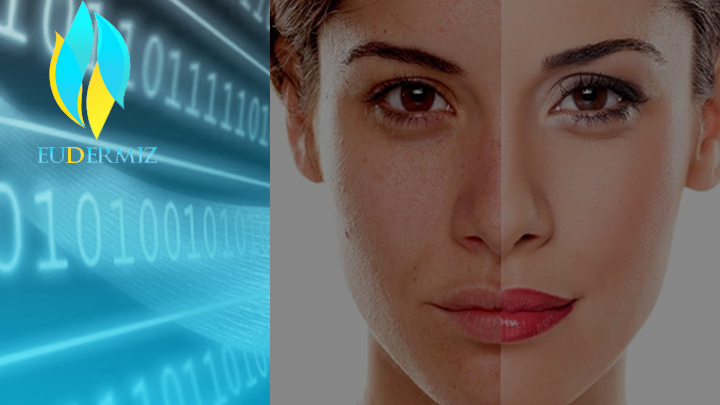
Eudermiz is a skin and hair clinic in Hyderabad started with an aim to provide world-class services in dermatology and cosmetology, enabling our patients to confidently look and feel the best.
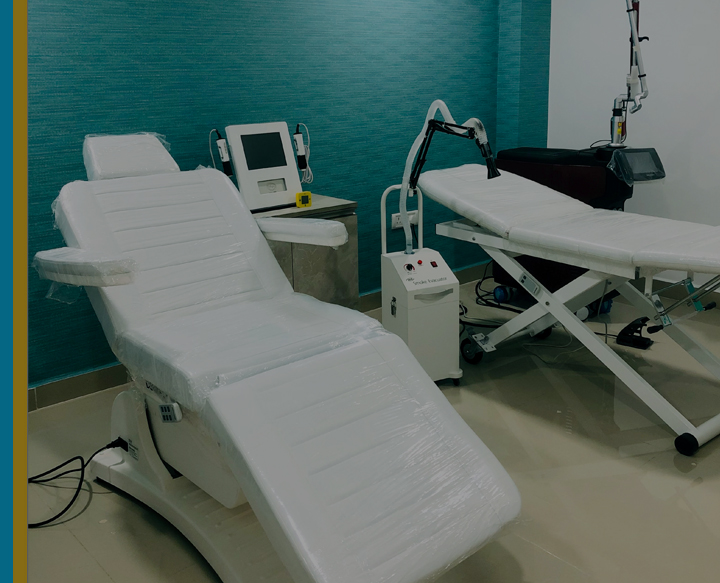
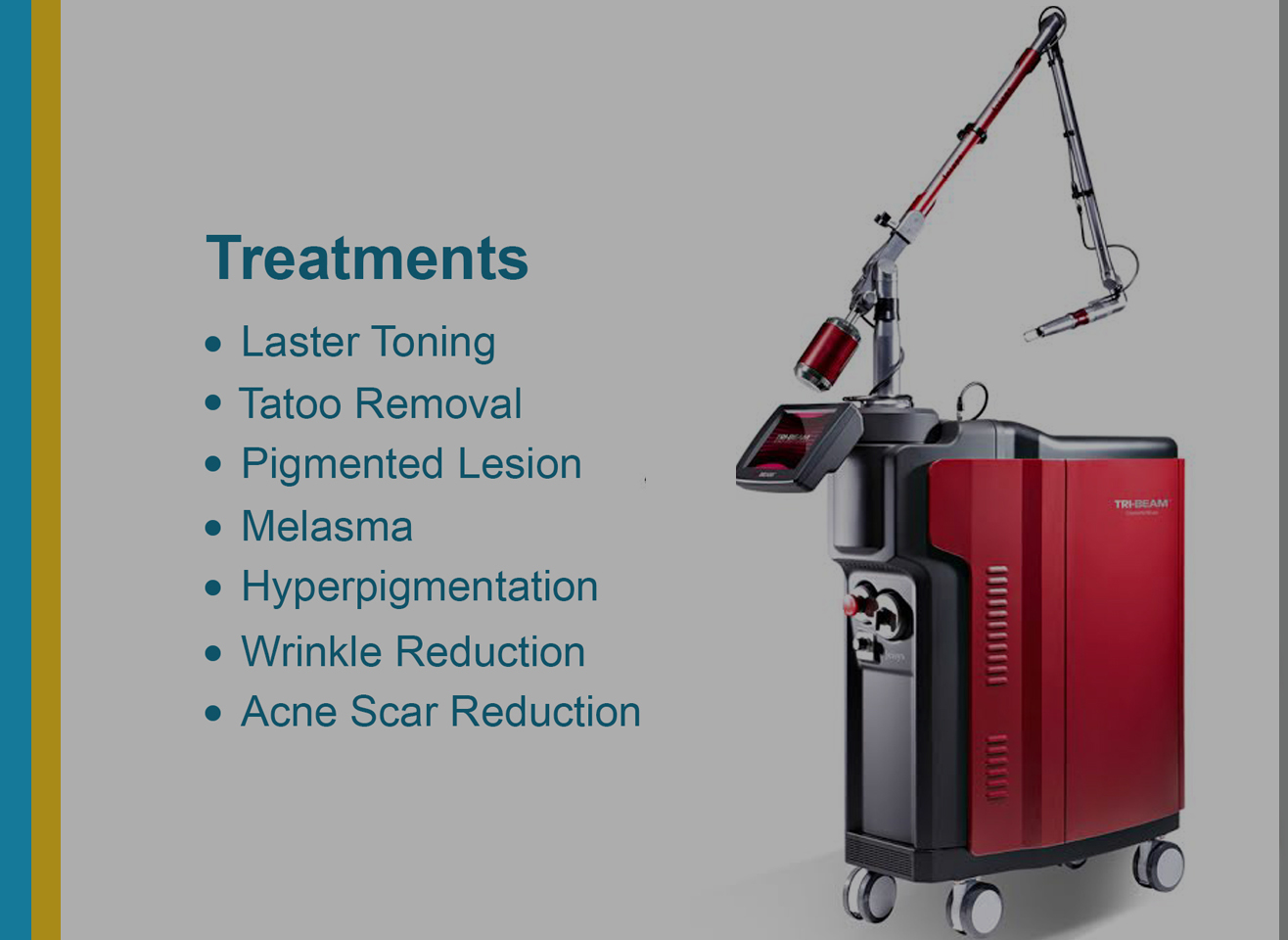
Whether it is sun damage, open pores, acne scars, hyperpigmentation, dark underarms, uneven complexion, coarse skin texture or fine lines, TRI-BEAM Laser Toning is the answer to all such skin problems.
Healthy skin and hair are important for both physical well-being and self-confidence. However, concerns such as acne, pigmentation, uneven skin tone, hair fall, dandruff, and premature ageing can affect people of different ages. Identifying the cause of these concerns and choosing appropriate treatment can help maintain healthy skin and hair.
If you are searching for the best dermatologist in Nallagandla, consulting a qualified skin specialist is an important step toward understanding your skin and hair concerns. Dr. A. Sai Sandeepthi is the dermatologist featured in this article for people seeking guidance on common dermatological concerns in and around Nallagandla, Hyderabad.

Skin conditions can develop due to several factors, including genetics, hormonal changes, environmental exposure, allergies, and certain medical conditions. The appropriate treatment depends on the diagnosis and the individual's skin type.
Acne is a common skin condition that develops when hair follicles become clogged with oil and dead skin cells. It may cause blackheads, whiteheads, inflamed pimples, and sometimes painful cysts.
Hormonal changes, certain medications, genetics, and some skincare or cosmetic products may contribute to acne. Picking or squeezing pimples can increase inflammation and the risk of scarring.
A dermatologist can assess the type and severity of acne and recommend suitable treatments, which may include topical medications, oral medicines when appropriate, and guidance on gentle skincare.
Uneven skin tone, dark spots, and patches of pigmentation can develop for different reasons. Common causes include sun exposure, acne marks, hormonal changes, and inflammation following certain skin conditions.
Melasma, for example, can cause brown or grey-brown patches, often on the face. Post-inflammatory hyperpigmentation may leave dark marks after acne or irritation.
Treatment depends on the underlying cause and may involve sun protection, prescribed topical products, or selected procedures when appropriate. Using unverified skin-lightening products can cause irritation and may worsen pigmentation.
Hair fall can occur due to hereditary factors, nutritional deficiencies, hormonal changes, stress, certain illnesses, or scalp conditions. Temporary hair shedding may improve when the underlying trigger is addressed, while other types of hair loss require ongoing management.
Scalp concerns such as dandruff, itching, redness, and flaking may also need evaluation if they persist or recur frequently.
A dermatologist can examine the scalp, review relevant medical history, and recommend investigations or treatments when necessary. Early assessment may be particularly useful when hair loss is sudden, patchy, or accompanied by scalp discomfort.
Dryness, itching, redness, and rashes may develop because of environmental factors, contact allergies, eczema, infections, or other skin conditions.
Using gentle cleansers, applying suitable moisturisers, and avoiding known irritants may help some people. However, persistent or spreading rashes should not be treated with random creams, particularly products containing steroids or combinations of medicines.
A dermatologist can assess the appearance and distribution of the rash to help determine the likely cause and recommend appropriate care.
Fine lines, wrinkles, uneven texture, and changes in skin firmness can develop naturally with age. Sun exposure and smoking can also contribute to visible skin ageing.
Daily sun protection, moisturising, and a consistent skincare routine can help protect the skin. Depending on individual needs, a dermatologist may discuss prescription skincare products or selected cosmetic procedures.
Not every treatment is suitable for everyone. A professional assessment helps determine which options are appropriate for your skin type, concerns, and expectations.
The right treatment depends on the specific skin or hair condition, its severity, your medical history, and your individual needs. There is no single treatment that works for every patient.
Depending on the diagnosis and available clinical services, dermatological care may include:
The availability of specific treatments should be confirmed directly with the clinic. A consultation is the best way to understand which options may be suitable for your condition.
A dermatologist is a medical specialist who diagnoses and treats conditions affecting the skin, hair, and nails. Although some skin problems may appear minor, persistent symptoms can sometimes indicate an underlying condition that requires medical attention.
Consulting a dermatologist can help you understand the possible causes of your symptoms and identify suitable treatment options. Rather than relying on home remedies or using multiple skincare products without guidance, professional evaluation can help you follow a more appropriate skincare routine.
A dermatologist may help with concerns such as persistent acne, recurring skin rashes, unusual pigmentation, excessive hair shedding, scalp problems, and changes in moles or other skin growths.
Choosing a dermatologist involves more than looking at online ratings or promotional claims. It is important to consider medical qualifications, clinical experience, communication, and the suitability of the recommended treatment. Here are a few factors to consider when selecting a skin specialist in Nallagandla.
Check Qualifications and Experience
Look for a dermatologist with appropriate medical qualifications and relevant experience in treating your particular concern. If you need help with acne scars, hair loss, or pigmentation, ask whether the specialist regularly evaluates these conditions.
Understand the Diagnosis and Treatment Plan
A good consultation should help you understand the likely cause of your concern, the available treatment options, potential side effects, and expected timelines. Some skin and hair conditions need several weeks or months of treatment and follow-up.
Ask About Treatment Safety
Before starting any medication or cosmetic procedure, understand the possible benefits, limitations, side effects, and aftercare requirements. Be cautious of guaranteed results or claims that a single treatment will permanently solve every skin concern.
Consider Follow-Up Care
Some dermatological conditions may recur or require adjustments to treatment. Access to follow-up consultations can help the dermatologist monitor your progress and modify the treatment plan when needed.
Verify Clinic Details
Before booking an appointment with Dr. A. Sai Sandeepthi, confirm the clinic's address, consultation timings, qualifications, available treatments, and appointment process through the clinic's official channels.
Professional care works best when combined with consistent daily habits. The following practices may help support skin and scalp health:
Remember that skincare routines should be individualised. Products that work well for one person may irritate another person's skin.
Finding appropriate care for skin and hair concerns begins with understanding the underlying problem. Whether you are experiencing acne, pigmentation, hair fall, scalp irritation, or other dermatological symptoms, a professional assessment can help you explore suitable treatment options.
Dr. A. Sai Sandeepthi is the specialist featured in this article for people looking for a dermatologist in Nallagandla. Before booking, verify the doctor's qualifications, clinic location, and available services so you can make an informed decision about your care.
If you have a persistent skin or hair concern, consider scheduling a consultation to discuss your symptoms, treatment choices, and expectations.
1. Who is the best dermatologist in Nallagandla?
When choosing a dermatologist in Nallagandla, consider medical qualifications, experience, patient communication, and the specialist's approach to your particular concern. Dr. A. Sai Sandeepthi is the dermatologist featured in this article. Confirm the doctor's credentials and clinic details before scheduling an appointment.
2. What skin problems can a dermatologist treat?
Dermatologists diagnose and manage many conditions, including acne, eczema, psoriasis, pigmentation disorders, skin infections, hair loss, dandruff, and certain nail conditions. Treatment depends on the diagnosis and individual needs.
3. Can a dermatologist help with pigmentation and dark spots?
Yes. A dermatologist can assess the cause of pigmentation and recommend suitable options, which may include sunscreen, topical medicines, or selected procedures. Results and treatment duration vary depending on the condition.
4. When should I consult a dermatologist for hair fall?
Consider consulting a dermatologist if hair fall is excessive, persistent, sudden, patchy, or associated with scalp itching or redness. Identifying the cause early may help guide appropriate treatment.
5. How can I book an appointment with Dr. A. Sai Sandeepthi?
Contact the doctor's clinic through its verified official website or listed contact number to confirm appointment availability, consultation timings, location, and consultation fees. These details should be verified before visiting.
Healthy skin and hair require the right combination of daily care, early evaluation, and appropriate treatment when necessary. Persistent acne, pigmentation, unexplained hair fall, and recurring skin irritation should not be ignored or treated with unverified products.
If you are searching online for the best dermatologist in Nallagandla, verify the relevant qualifications and clinic details before making an appointment. A personalised assessment can help you understand your condition and choose a treatment plan suited to your needs.